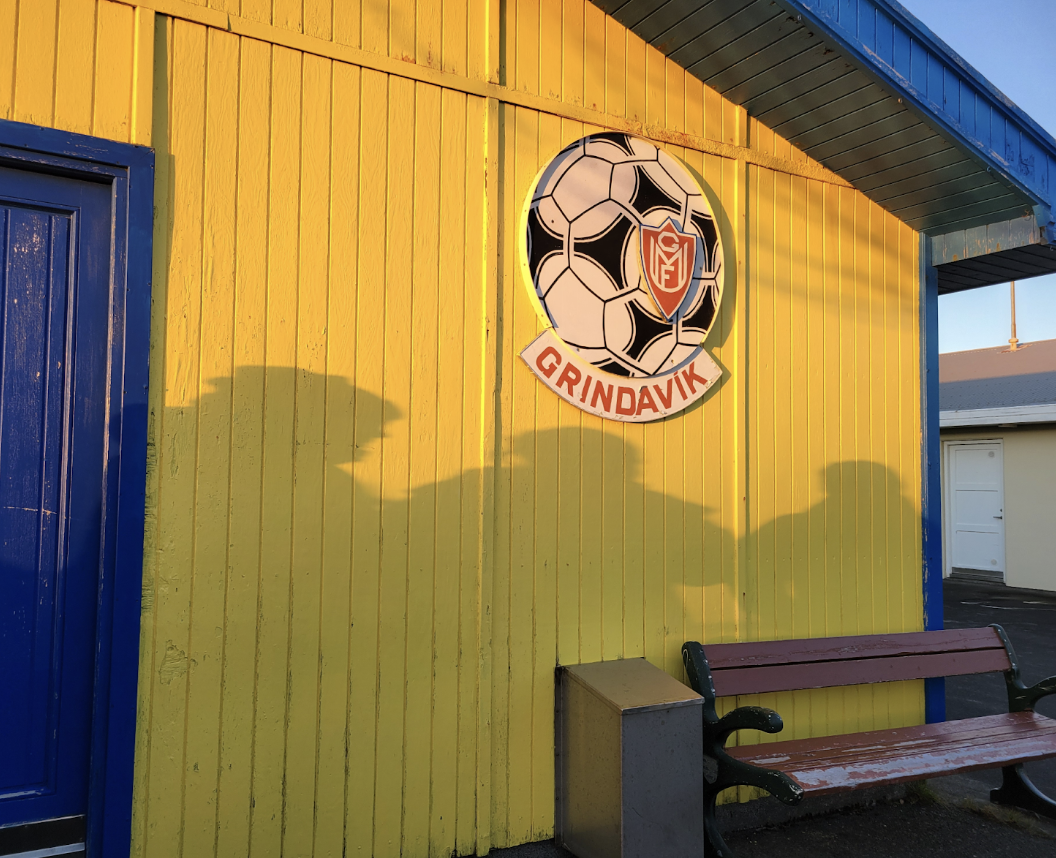
Supporting Youth Activists in Grindavik, Iceland
The Context
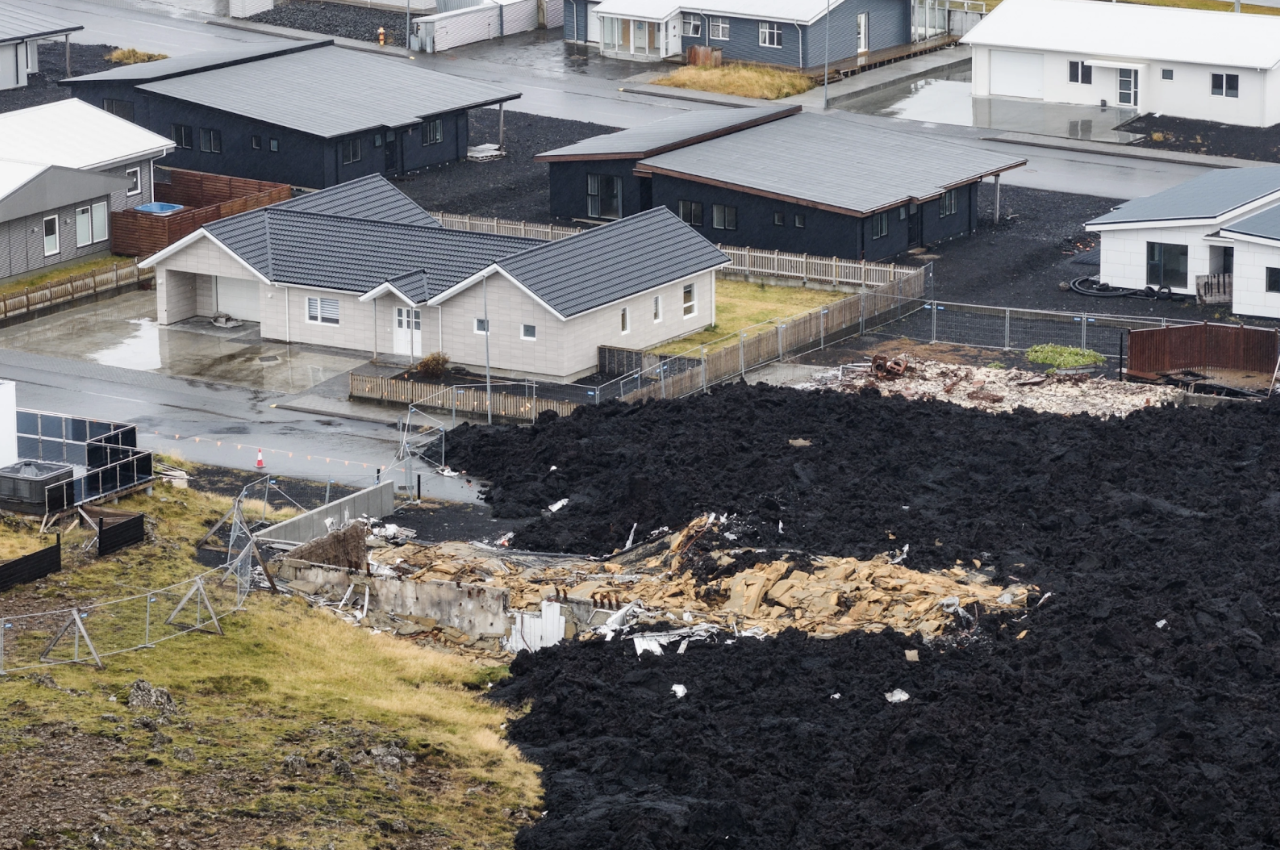
During 2023 and 2024, volcanic activity, including eruptions and earthquakes, forced evacuations of 3,800 residents from the town of Grindavík on Iceland's southwest coast. More recent eruptions in the spring of 2025 have continued to make life difficult for the town’s residents. The numerous evacuations of the town have led to many residents leaving permanently, creating social issues for all residents, particularly youth (Reimer et al., 2025). Most notably, the evacuations have scattered the young people across Iceland. More than 500 Grindavík students were spread across 73 schools in 27 municipalities (Logadóttir & Juliusson, 2024). In addition to their school suffering serious damage, fissures from the earthquakes tore a local football field in half and destroyed several roads, homes, and buildings in the community. Much of the town remains unsafe and is fenced off from the public. The Icelandic government has stated that it may never be fully safe to return to Grindavík (Icelandic Parliament 2024).
Toward a disaster framework centered on young people
We are working to support the young people of Grindavik and their desires to remain connected with one another. While we can’t solve the volcano conflict, we can help develop policies that center young people before, during, and after disasters.
Immediately, that means leveraging Youth Participatory Action Research (YPAR) and Transformative Student Voice (TSV) to help the Grindavik youth secure two policy goals:
Re-opening a school in or near Grindavik where young people can once again safely learn together
Re-establish a sports program in Grindavik where the young people can compete for their hometown
Longer term, we envision our learnings from the Grindavik youth informing strong practices and processes for other youth leaders in Iceland, specifically those who take part in the nation’s mandatory Youth Council program.
Beyond Iceland, we see the work of the Grindavik youth as key in creating a disaster framework centered on young people. Through YPAR and TSV, we hope to share an approach that empowers young people in the face of volcanic eruptions, earthquakes, hurricanes, and other disasters to be assets in their community in terms of disaster preparation, response, and leadership.